Sentry Page Protection

Joanna, We Need To Talk About Your Flare

Anamorphic Cinematography is absolutely gorgeous. Yet a pain in the ARSE to shoot with.
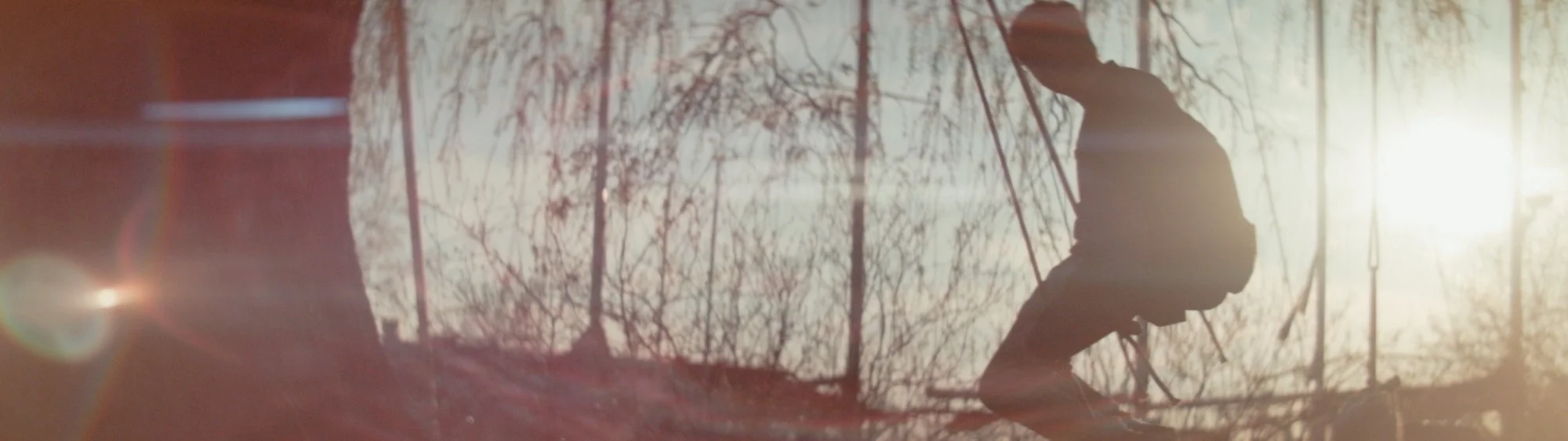
The anamorphic process is derived by a comparatively widescreen image being horizontally compressed to fit into a storage medium with a narrower aspect ratio. Compatible play-back equipment such as a projector with a modified lens can then recompress the horizontal dimension to show the original widescreen image. This is typically used to allow one to store widescreen images on a medium that was originally intended for a narrower ratio, while using as much of the frame, and therefore recording as much detail as possible. The word “anamorphic” and its derivatives stem from the Greek words meaning formed again.

Anamorphic lens development has been around for nearly 100 years, dating back to the 1920’s and 30’s. With it being more heavily utilized in major motion pictures starting in the 1950’s as a way to get audiences back into theaters after ghastly home television started popping up in white picket fence suburban America to make suburbanites cease critical thinking. Those TV screens were tiny bulging squares with curved edges. Ghastly square aspect Instagram style. In Hollywood, a new term “Cinemascope” was being adapted for widescreen format using anamorphic lenses which had been developed at Fox (the same Fox who’s news channel rots brains like Gollum with the ring) in an attempt to give a larger resolution and more wide frame to get butts back in theater seats. Similar to IMAX or 3-D, these new formats pushed what only large format theater screens could offer best. An immersive cinematic experience.

The anamorphic format has been an option for large budget productions to shoot with ever since. At a cost. Lenses were as expensive as a down payment on a house. They were massive in size and only really worked for big format pictures such as Ben Hur or Blade Runner. The look is distinct, most visually notable by its stretched horizontal flares. With other aspects such being aperture flare, unique blooms and optics, unique vignetting characteristics, spacial compression, and stylized depth of field with squished bokeh circles of confusion. But came with these unique traits not achieved in any other way also came many setbacks. The systems were hard to focus, not very sharp, the close focus distance was farther than a standard “spherical” lens, and the playback and film lab processing was increasingly complicated with additional steps being added in what was already a multiple-step process.

However, in the last 30 years, the only way a more independent filmmaker could access the anamorphic format was with various adapters. Names such as Hypergonar, Sankor, Iscomorphot, etc… each produce their own unique optical characteristics.
Adapters work by being attached to a non-anamorphic lens to be the stretch component of a multiple part system so when combined, they play the same service as a single true anamorphic lens. Many of these adapters had been made in Europe, Russia, and Asia through the 60’s, 70’s, and 80’s and are affordable by being bought used. Scouring through old camera shops or places such as E-Bay yield the best results. As a special niche of cinematography, combined with not being mass produced, they are often times in high demand and thus hard to find.
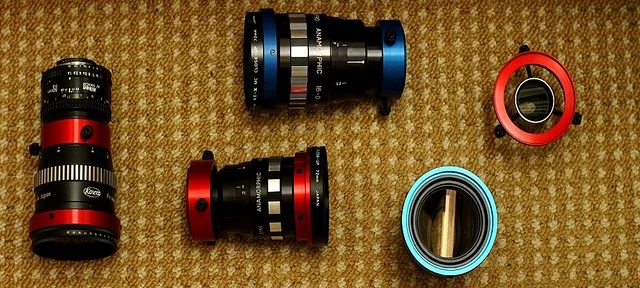
Having had some past experience with some of these adapters, I have first hand realized how difficult it is to try to understand all these mechanics.

Each of them require very custom components and setups which often times are individually unique. Short of scouring forums, there isn’t a manual you can pic up or a single step by step on how to build one. It must more be figured it out on your own through trial and error.
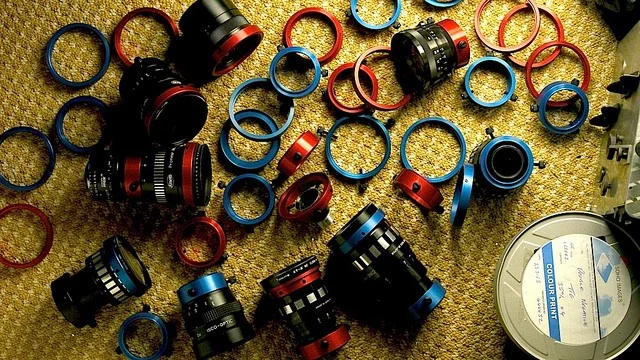
Within the first couple years shooting anamorphic b-roll with various adapter setups, I often times was met with moderate results. The main struggle I always found was the size of the rig because the larger a system is the less easy it is to carry with you and the less likely you are to use it regularly. Until I finally caved and ended up purchasing one of the first micro 4:3 anamorphic lenses in the world made by SLR Magic out of Hong Kong.

About half a year later, we completed my first project shot entirely in anamorphic. A promotional piece for my street photography portfolio at www.philosophicalphotography.com. It’s a bit of an Exposé on why I often combine philosophy with street photography. Hence how the site gets’s its name. The cinematographer on the project was the amazing Ben Wong.


This promotional piece for philosophicalphotgraphy.com was shot with a Kowa for Bell and Howell 2x Anamorphic adapter.

As a cinematographer, Ben has done a significant amount of research in this area which he has then implemented on. One might call him a bit of a mad scientist when it comes to perfecting a custom anamorphic setup. Exhibit A:

Cost effective anamorphic — True micro 4:3 anamorphic lens from SLR Magic with a DIY anamorphic adapter: Part 1

One might call him a bit of a mad scientist when it comes to perfecting a custom anamorphic setup:

Part 2

The results yielded such a great final outcome it has inspired me to do more projects in this format. Through the akes and pains, it's worth it, in the end, to get the visual style I fancy the most.

Ben’s YouTube channel is jam packed with excellent wide aspect travel ventures in this format and comes highly recommended. Thanks so much to Ben for all his help putting these efforts together and sharing some knowledge for others interested as well.

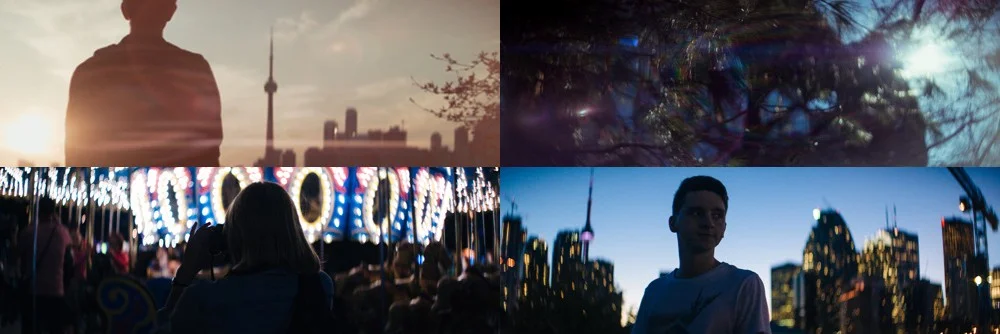
Here’s a collection of additional anamorphic B-Roll I’ve personally shot in the past and license from FILMSUPPLY. It will always be a growing collection.
Psychedelic Salon 2016

Our friend Lorenzo Hagerty has posted Rak Razam and I's 2016 Palenque Note lecture over at the Psychedelic Salon podcast. There was an early pre-screening of Shamans of the Global Village at the 2016 Palenque Norte lecture series at Burning Man

This began a year + long screen tour of the pilot episode of the show. One which has been very much a learning experience. We are uplaoding all of them to the show's YouTube Channel.

Setting Players to Zero

jlF1GGzQmCXVfJs8vOCKcQwFn33.jpg

At the end of the 1983 film Wargames, the characters outsmart the AI which is intent to destroy them by setting players in the system to the number 0. Forcing the computer to play tic-tac-toe against itself, resulting in a long string of draws, thus forcing the computer to learn the concept of futility and no-win scenarios. This is a brilliant metaphor for thinking outside the box and not being part of a garbage situation which has no good options. Such as military occupations of Afghanistan. Setting players to zero basically means not doing things that are crap. In today's world of fake machine childish asleep robot culture, many "people" do things they don't need to be doing. This can be countered by doing anything as basic as a spring cleaning of a house to as complex as disavowing your corporate fiction straw man name which you are the primary security interest holder for. One example of setting players to zero I've been personally doing as of late is purging social networks.

Less is more. Every additional social network you're a part of takes time and time is your most valuable commodity. No one is going to be in the nursing home saying "man I rocked Facebook that month". They’re going to be on their death bed thinking about all the life-experiences they had, what they personally created, and who they became. A major part of human happiness is being creative by creating. The more time you're promoting, the less time you can create but more on that later. Social networks are like high school yearbook signings. Popularity contests. Most muggle people just use them to try and gain numbers, likes, and followers. They friend you or add you not because they want to re-connect or get to know you fresh, but because they want to +1 a number on their profile. They would be much more mature if they didn't show any numbers and kept those private. The social networks prop this up by always showing the size of someone's network in their profile. Which is totally unnecessary. This is one of the childish aspects of childish asleep robots. Those numbers are void regardless because if one wants to turn to the dark side they can always buy followers which is about as low as you get. Some massive percentage of politicians Twitter followers are fake bots for example. Since all fake things are mirrored back to front, social networks are not social. They're anti-social. Meaning they have little to no connection with real authentic social behaviors of fellowship, friendships, and relationships. These things always happen in the flesh face to face. That's why a social network is best used if it get's you to real meet ups, hence www.meetup.com is the best social network. 

A negative part of externalized hardware technology such as cell phones is this artificial smokescreen on what we’re meant to naturally get in local and small communities. My wife is on zero social networks but has a large network of real people she interacts with due to her patient population in real personal social circles. That is very healthy human behavior. You can be a selfish dumbass and still have quite a few horizontal fair-weather friends though because you like to go out a lot. Since your level of consciousness is mirrored by those who you attract, those types of folks will be surrounded by other wankers such as themselves. In the flesh wearing sunglasses indoors or at night in bars and clubs. This ultimately leads to shorter term shallowness that's wide and broad but at least they've left the keyboard. What's even less healthy is spending all your time at the keyboard and never really leaving the house. Or if you do leave the house you're a coffee shop troll who's still at the keyboard not socializing with other folks in the room. So why even be there in the first place?

I recently went to a street photography workshop at the Leica store in San Francisco in an attempt to meet some more local street photographers in the Bay Area. In the flesh. The majority of photographers had some kind of high-end rangefinder camera. Rangefinders are great to see, regardless of brand. However, when it came to sharing the results of everyone's work, I came to realize that nearly everyone there was on Instagram. This is like driving around in an Austin Martin and going home to park it in a homogenized cookie cutter suburban town home neighbored across the street from a 7-11 and gas station with bulletproof glass. Instagram is beyond fucking rubbish. Retro style is fine but the layout sucks and the tiny square aspect image frames are just terrible. Sadly, tones of youngsters are on Instagram at the moment because muggles love staring down at the app based phone world. #LookUp. On other photographic social fronts, two of the main social networks I've purged are Flickr and 500px. Flickr is dying because all things Yahoo! are luke warm at best, 500px is beautiful but I ultimately had to ask myself, "how much time am I putting into this and what am I really getting back?” It became another weight in a series of small things which all added up. So purging things digitally can be as important as purging the physical aspects of your life as well with the final goal being to live in a tiny house. With the ultimate goal being a zen samurai on the path.

On a final side note, I do totally acknowledge social networks are where all the muggles as well as some amount of B+ to A- at best humans are. Including awful Facebook and Instagram. As a human who wants to try and connect to others and reach out to larger groups of fellow excellent humans, I understand and realize social networks can be a valuable tool to help facilitate that process. If done consciously as a tool in lite moderation to meet other kindred spirits on your same wavelength in a vertical relationship or to promote your cottage industry. Everyone wants eyes on what they create. I'm no exception and realize the power of having others follow your work. Sadly, many who have "success" with large social network followers then turn around and use their social networks to make money of their followers. Which is fine if the content is worthy and that's how some independent small business owners and operators need to function in our current state of post-truth capitalism. Trying to be an independent operator in the current Gen X internet tech world means becoming your own promoter and socials are some what required to fufill this. So I set players to mostly zero and still play the game a bit on a few anti-social networks.

Visual Style Influences

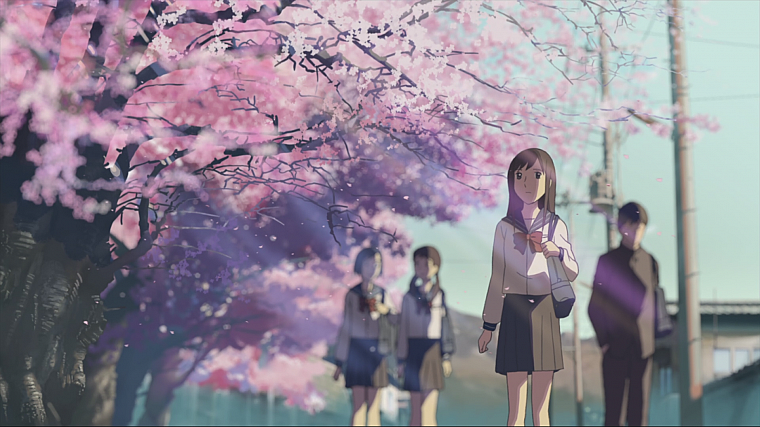
I've been influenced by numerous artists in my day. The painting of the dutch masters come to mind. With their heightened vivid perfection of nature and the characters within them. Ken and Robert Williams who made the old Sierra Online computer adventure games have been another influence. The photography of Dan Abrams and Andrew Mohrer were others. On the filmmaking front, the work of James Cameron and David Fincher, two directors whos project's I've worked on and met personally have also been tentpoles. However, by far the most influential of them all, has been Makoto Shinkai.

He is a Japanese anime director and former graphic designer. His body of feature work includes, The Place Promised in Our Early Days / 雲のむこう、約束の場所 (2004), 5 Centimeters Per Second / 秒速5センチメートル, Children Who Chase Lost Voices / 星を追う子ども (2011), The Garden of Words / 言の葉の庭 (2013), and Your Name/ 君の名は (2016). Most of the narratives of his films are coming of age stories of teenage love, surrounded in a Terrence Malick-like whisper voice wrapper. Blending science fiction with the drama and angst of adolescence. Also importantly, he became a filmmaker by doing the wrought I most respect. He did it himself. I've done this and no one knows who I am except my friends, acquaintances, and my mom. Gareth Edwards also did this with the film 2010 Monsters and now he's directed a Star Wars movie. Shinkai's 2001 breakout project Voices of a Distant Star looked incredibly good for a one-man project. Voices was a breakout success for an amateur animator, and Shinkai has created three more films in the past decade, establishing himself as one of the anime industry's preeminent creators. 

His narrative choices are okay, but what really sets him apart is his distinct visual style. Shinkai belongs to a new generation of animators who have never worked in the traditional pen-and-paper format, and his film Voices of a Distant Star is a testament to how dramatically computers have changed the animation industry in the past decade. His Art Direction is second to none, creating a dreamy hyper-saturated pallet of beautiful texture and optics. Glows and blooms are common, but always motivated. All inside a stylized feature of watercolor clouds, vividly colored skies and dramatic lighting. I've made it a practice to put on his films with the sound off as background for my computer when in downtime. Much like a moving wallpaper. As I've developed my own visual asthetic, I've been finding I always prefer the saturation cranked up more and more as well. 

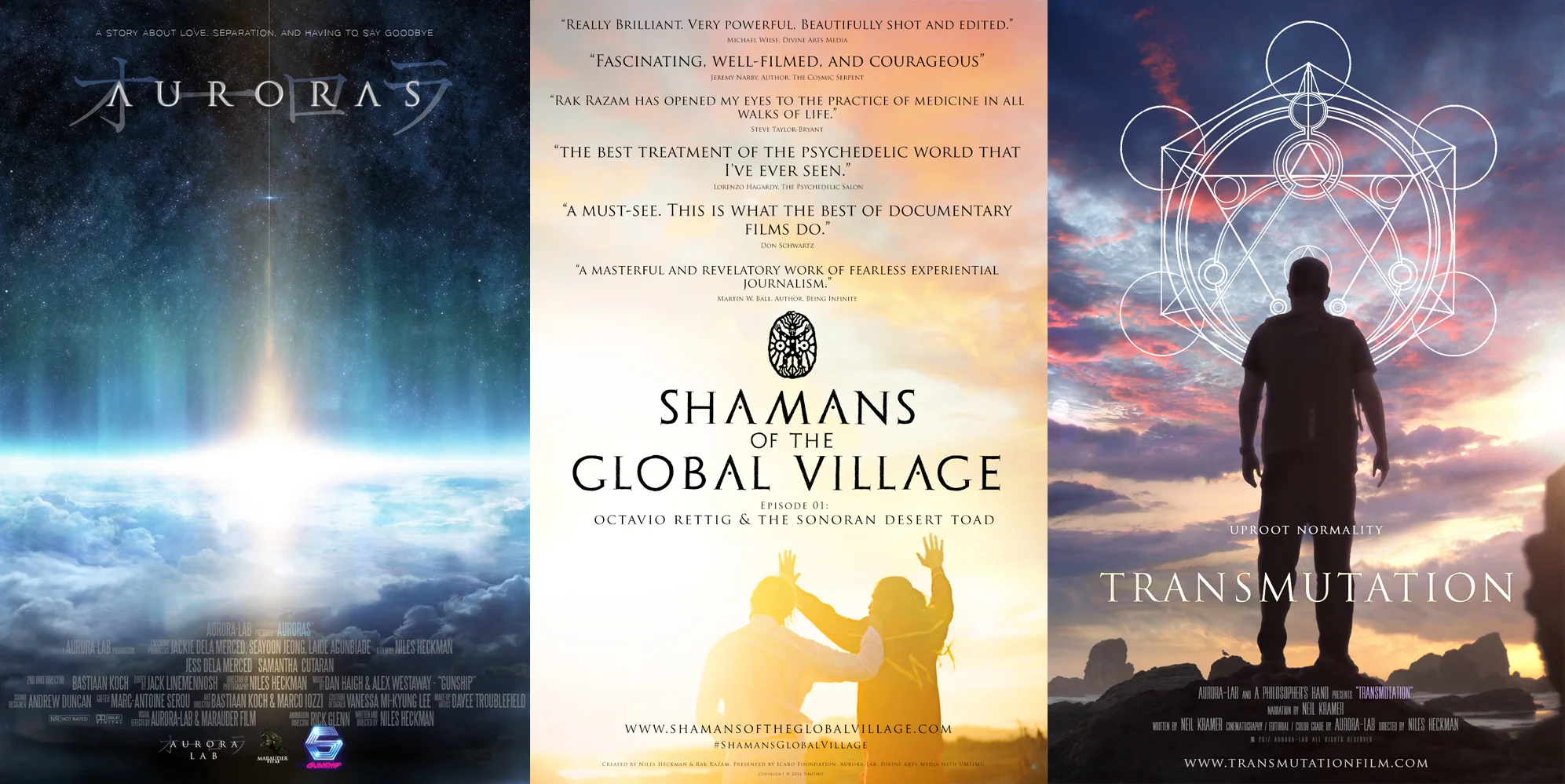
One of the most key influences of his work is to show that texture is absoulty paramount. By texture, I mean detail in all areas of the frame. Hence it's really awful to point a camera at someone with a flat white wall behind them or solid color psych backdrop. Clouds and sunsets are perfect opportunities to build up the texture. A habit I've been influenced by in my visual work and various life experiences such as taking both LSD and DMT under beautiful vanilla skies. So skies have become very important in my personal world as well as my artwork. Shinkai does skies masterfully using them as a canvas for beautiful heightened, almost dreamy, ethereal textures. This is a habit I've syncronisticlly found myself creating as well in my work of the past unconsciously and now consciously in my work of more recent times. See my Auroras, Shamans of the Global Village, and Transmutation posters for reference. I promise not all future posters will be of a sky!

This aesthetic leads to a mixture of real life non-fiction combined with a slight science fiction Mise-en-scène. There are elements in both the pilot episode of Shamans of the Global Village Episode 01 and Transmutation which I feel accomplish this well. Always in support of the narrative and not as a distraction from it. Shinkai had been quoted as saying, "I think that science fiction can, by creating extreme situations and settings, draw out the essence of human relationships," Shinkai wrote. "The ability of science fiction to create thought experiments...is one of the things I like about it." It's ultimately about telling a story with interesting characters that are compelling and hold the viewer's impact. That's paramount. When you have that foundation and put it in a container that's visually stunning, then you've struck gold in my book.


Magnum Opus

It is official. My wife and I have duplicated ourselves. A beautiful baby girl Makena Heckman has transited here on May 10th 2017, exactly on the full moon. 

Our one and only child, not only will she likely be the most photographed child on Spaceship Earth during her life, raising her will be my greatest art project. A magnum opus. 

Half of me worries about adding a new little human to the world during these times of transition and climate catastrophe, but the other half of me realizes were all non-corporal, higher dimensional, divine beings from source who just transit to this illusory place for a while to experience some polarity and grow. Either way, I'll still try and get content out under a schedule similar to one podcast or essay per month, one SGV episode per every other year, and one feature every decade. Stay tuned.

Haight-Ashbury Panel

 
18198651_10155330469857146_275775538595875869_n.jpg

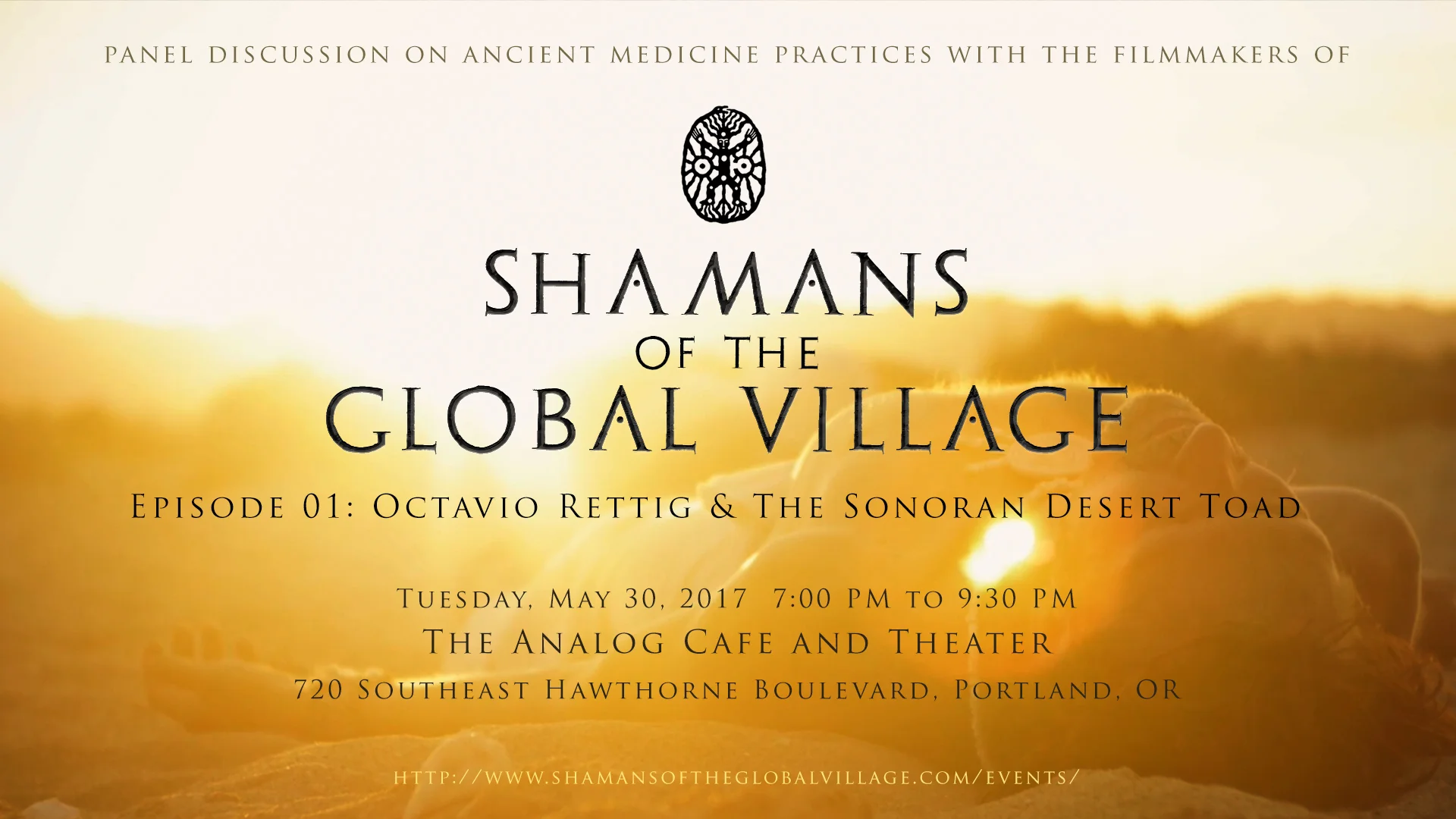
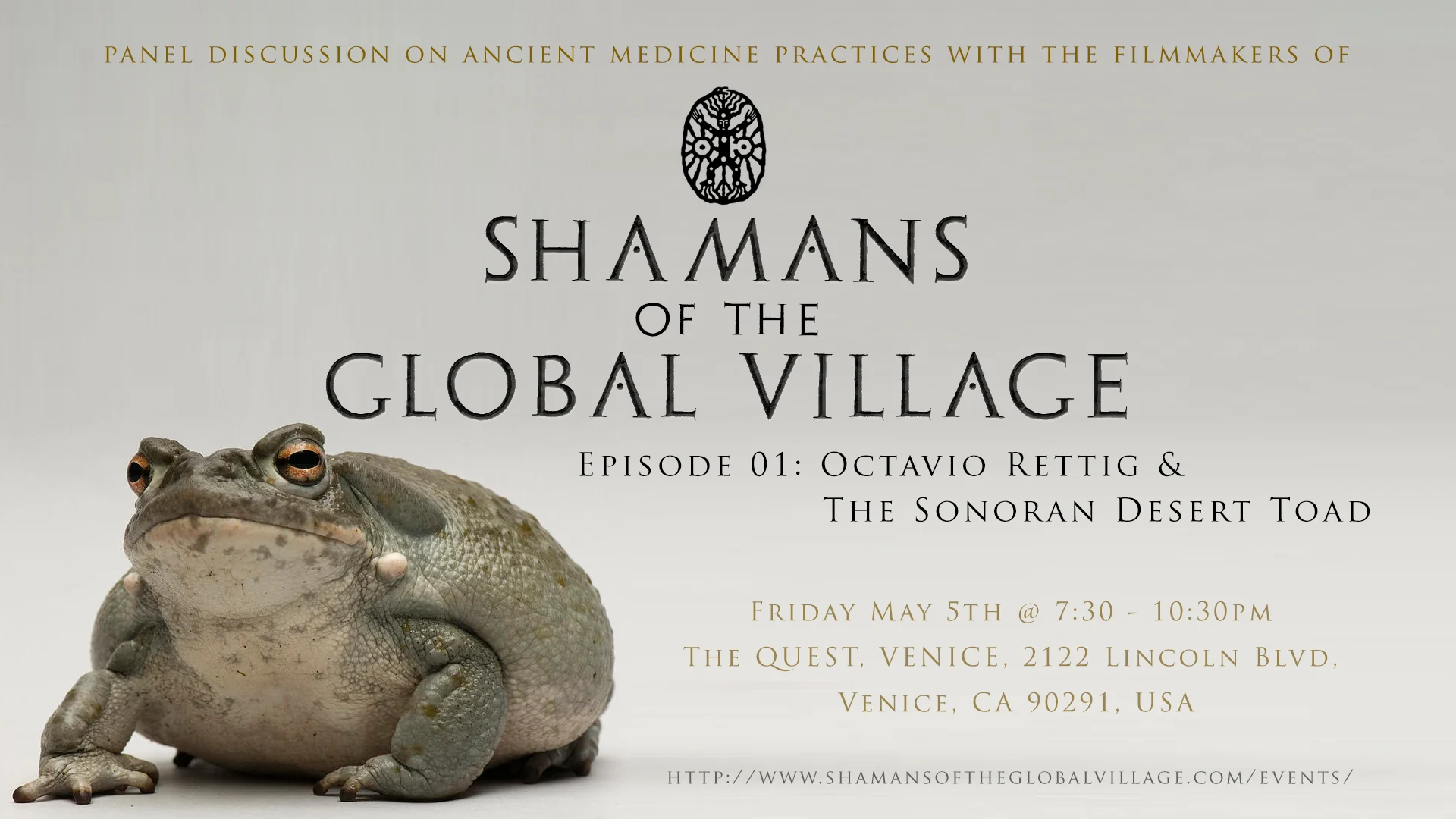
Behold! Our panel discussion from the Haight-Ashbury screening of Shamans of the Global Village Episode 01: Octavio Rettig & The Sonoran Desert Toad. Featuring Author Rak Razam, Psychotherapist Meriana Dinkova, artist Alexander Ward, and myself. 

A huge thanks to Lawrence Gerald for recording!

Future Primitive (2017)

Really enjoyable chat on The Future Primitive Podcast with Joanna Harcourt-Smith and Rak Razam in regards to Shamans of the Global Village

Joanna has a great motto “if you don’t like the media, be the media”. She has a history as a bit of a luminary in the 60's counter culture having had a past relationship with Timothy Leary, an American psychologist, and writer known for advocating the exploration of the therapeutic potential of psychedelic drugs under controlled conditions. 

One of the best rewards for creating a piece of media is its ability to reach others who work you've previously known and build relationships with those folks. Also by those who have responded positively to your personal creations and engage in conversation. When you meet someone of the previous generation who's also fought the same fight and created a culture to push back against the status quo of the day, that's massive. Joanna has been doing for many decades and its great to share in conversation as a meeting of minds.

Source Lauch Videos (2017)

April marked the launch date of the first two released video's for our next production company Only The Source

Their original short-form filmmaking content aims to awaken, inspire and empower humanity to a more peaceful, delightful and loving life through original content and branded entertainment.

Check em out:

This has also been my first dive into using Vimeo Review which I must say are a great time saver for a group collaborating together.

Psychedelic Milk (2017)

Joined comrade Ed Liu for Episode #43 of his podcast Psychedelic Milk to discuss the documentary series Shamans of the Global Village.

Ed Liu is a podcast host and a music producer - previously charted on the Beatport Top 100. He is currently the host of the Psychedelic Milk podcast, a long-form conversational interview with interesting and influential guests from all over the world to discuss topics of consciousness, psychedelics, and new emerging technologies.

This was a really fun free-form chat. From moment one it just flowed as Ed and I are on similar wavelengths. Thanks so much for having me Ed buddy.


Read Through Your Ears

Reading is very important. Wisdom and knowledge comes from life experience while information gathering comes from reading. People who are "well read" are generally more interesting to talk to and have a much broader range of depth than those who never read hardly anything. There has been a loss of reading skills in recent decades and a decline in classical literature. Many people in modernity won't even read this essay, or a magazine article, or a fluffy fun book, or a book of fiction, or a book of non-fiction, let alone a book of knowledge such as an ancient philosophical text or grimoire. Thus our insane clown president, Trumplestiltskin is the 45th Commander In Chief of the United States of America and the comedy Idiocracy has become a documentary. Which is understandable since we're so programmed to move a mile a minute and not ever slow down. Reading takes time and requires one to take one’s time and slow down. In order to be a good writer, you must read a ton more than you write. It’s baffling how unwell read many "filmmakers" are and a huge part of being a filmmaker instead of just a person with a camera is writing compelling fleshed out characters of depth. Hence, so much of the problems with indie filmmaking is a lack of good writing even though we’ve all heard the quote the three things needed to make a good film are a good script, a good script, and a good script.

PreWide.jpg

Technology has made it so we get information a mile a minute. Sadly, most of it's crap because people seem to want to play app based games on their conflict mineral made, slave labor constructed, ovarian cancer generating, NSA spying enabled cell phones rather than read something juicy and yummy for their mind in analogue on physical and tangible paper. Some of the best, if not the very best, information one can consume on a page or screen comes from words and symbols of knowledge. Usually ancient books or else books which retell or reboot those old themes.

For example, "The Art of War" is not a easy book to read but instead is something that requires one to spend time with it over and over again over long periods. Much like university study, it can take a long time to sit down with The Art of War and really get information out of it. And that requires not only that slowing down, but also a focused mental concentration. So there’s no coincidence in social networking inspiring heavy amount of mental discursiveness, in which the youth of a nation have been bread to click onto the next thing, and the next thing, and the next thing. Which is horrible for for concentration, focus, as well as the esoteric ability to retain internal light.


As someone who is mildly dyslexic, reading in the past has been a struggle for this writer. The McDonalds for the mind B+ level accurate Wikipedia definition of dyslexia is "difficulty in learning to read or interpret words". Which sure as shit was true here in this brain’s real estate. When going through my 12 years of the mind control conform boot camp of public school, I would have so much problem not remembering what I had just gone over a paragraph before. This was mainly popped up when reading fiction whereas I would often be lost in place and time within the story, making hard to always know when and where I was in the story. However, it wasn't so much the information in the text itself but more the process of extracting the details of that info off the page and into memory. It felt analogous to a gears lodged in the mental cogs. However, being read that very same text out loud was a different story. Hence books on tape saved me in the 80's and 90's. But there was only a limited smaller percentage of content which has been read and recorded at that time/space vector.

Reading involves all your time. Listening does not. When you listen you are in your own world and can often times DO other things. I always have earbuds in my ears whenever I'm by myself in my spare time. Out and about getting chores done, exercising, doing various hobbies, etc... Either at home or on the move, if I'm alone and don’t have headphones in my ear holes, it feels as though something is missing. Leaving the house without the trifecta of the wallet, keys, and phone with earbuds causes sensations of being partially nude. If you are similar and are constantly plugged in on your own time, with headphones constantly attached, air tube headphones are recommended to research for their health benefits. A large percentage of the electromagnetic frequency radiation from your phone travels up the headphone wire into the speakers. These earbud headphones keep the small amount of micro radiation emitting from your battery powered device away from your head, which is important because these devices may not have our health as their primary concern.

Time is so valuable and life is short. When around others who have ears to hear, being respectful by not staring down at your phone and instead giving them your focus to engage with interest and eye contact is very important. Wisdom comes for places you may never suspect, and face to face wisdom is the most yummy of all. Our spare time is best spent taking in healthy and good tasting information directly from a source of experience. Life is too short to spend all your time listening to someone else's crap off a a pre-approved menu which they would be all too happy to spoon feed to you over some ghastly live broadcast full of deplorable corporate commercials. I'm allowed to say that being someone who has occasionally directed commercials and has worked on and off in the commercial industry.

Audiobooks and podcasts are much more ubiquitous these days. However, many old texts that are packed with excellence have not been transcribed to audio book. The modern version of books on tape is the spoken word version of text on the page. Either read by a human or translated digitally into an audio file, just like a book on tape. This is a technique called text to speech which is a secret weapon of excellence. Older versions of the Amazon Kindle allowed most if not all books you purchased on Kindle to also be transcribed as an audio book. An outstanding feature they very sneakily and quietly removed in later versions because of conflicts with publishing companies over copyright of audio books vs traditional books.

The best solution I have found to mimic this is text to speech. There are pieces of software which allow you to copy text and have it read out to you, often but not always by a robotic Stephen Hawking like voice. For numerous years I would highlight text and copy it into a reader and push play. The day this was discovered truly was life-transformative as it allowed for my world to open up to new heights which I always struggled to achieve in the past. So much to the point that I know my grade point average in school would have been better if the technology was around in my high school and university years. So even though the Trivium education system has been intentionally removed from modern schooling because schooling is not education and they don’t want free thinking autodynamics that are fiercely individualistic but instead corporate robots which are great at groupthink, it’s still a beautiful time to educate yourself through reading with greater ease due to the ability to have this technology at your fingertips.

Screen Shot 2017-02-10 at 1.36.10 PM.png

These days I will believe it or not give credit to Apple and mention that more recent versions of the Mac OS operating system have an incredible feature where you can simply highlight any text, be it the full pros on an entire novel or a single article, then right click on the highlighted text and say "Add to iTunes as spoken track". After a short bit of processing... BOOM! You've got an audio file that's essentially an audiobook. Created quickly from ANY text you can copy from. Alchemical mind gold! A life-changing process for the autodidact we will all one day come to be.

Being a couple years into listening to self-created audio book files, I've started to incorporate a time-saving technique of listening to them at faster speed. A must have crucial feature for audiobook playback software and any video playback worth it’s weight in gold.

Music requires being listened to at proper speed but a human being's voice does not. In fact, most people's voices and speech patterns have caused them to deliver oral information quite inefficiently and work better sped up a bit. Rather than spending 3 full hours listening to that latest epic podcast at speed, try it at a 1.5x speed or even a 2x speed. You'll get just as much out of it in a much more efficient time frame. This process will allow your yummy intel sponging ratio to increase daily. It also works well on mediocre films. Such as kind of boring documentaries or Michael Bay action films where the dialogue just doesn't carry the visuals. Like all muscles, mental processes require exercise and building up the ability to listen quicker will rapidly move you to become more Jedi and less Muggle in no time.

New Means Little

With any piece of hardware that you use to advance an art, it's easy to get lost in the technology loop of acquisition syndrome. Caring so much about the latest + greatest newest thing. While there's an understanding of getting more for the same price, which is what happens with the latest model, in reality very little does change when you upgrade to any piece of technology.

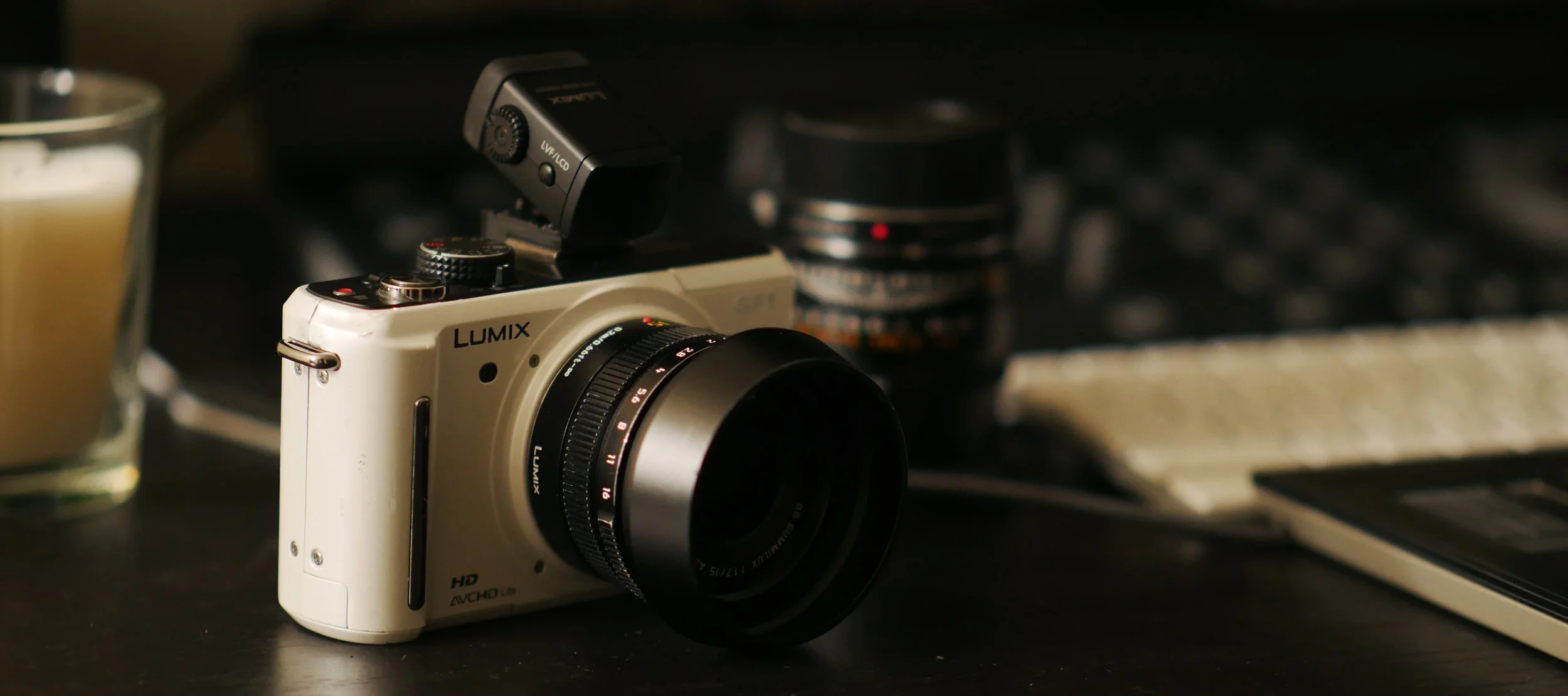
For example, I use two cameras for street photography. A Leica M rangefinder series and a Panasonic micro 4:3:


Each has its own advantages and it's nice to switch it up between the two day in and day out. The Leica prides itself by maintaining and old design style, while the micro 4:3 camera is essentially a more compact SLR camera. Just like the rangefinder, the micro 4:3 is over 5 years old now and still producing great images. Getting battle hardened lots of use, but still there are only so many shots it can take before it will die.  My motto of late, shoot it till it dies and only upgrade then and there. Zen minimalism all the way.

Transmutation Teaser Trailer (2017)

Moon / Feminine , Sun / Masculine , Earth / Feminine + Masculine

Transmutation is a documentary film I've been working on as the main side project for the last 3/4 years with my friend and colleague Neil Kramer. A British philosopher and esotericist. Neil explores the relationship between inner development and the many social and cultural factors that influence our lives. Attention is drawn to embracing truth, confronting challenges, and transforming self. Neil shares his ideas in writings, film, audio, seminars, and individual teaching.

At a surface level this film is about not following the "normal" prescribed path society and culture lays out for us in the first world. At a deeper level, it's about spiritual philosophy. At an even deeper level it's about Hermetic philosophy. At the deepest level, it's about the alchemical transmutation of the soul, changing the individual from lead to gold which is the purpose for each and every one of us over many lifetimes as we evolve and grow. Minus any woo or fluff.

It's been absolutely life-changing for me making it and the official site can be found here:

www.transmutationfilm.com

Third Eye Drops (2016)

Fantastic chat with friends Michael Phillip and Michael Garfield (The Michael's) over at the Third Eye Drops podcast. Purveyor of interviews, outerviews and wonder-mongering for sentient sapein seekers.

We chat about my background and the struggled of transmuting your life energy into dollars for others while at the same time always wanting or trying to make you own content.

Being a Documentary Photographer + Filmmaker

As a street photographer, I'm often out in public, lurking in urban areas in an attempt to find interesting subjects to candidly photograph. 

Building up your guts to go up to people cold is a skill I will never stop needing to work on. Occasionally when photographing someone and having it go well, they'll ask me to send them their picture. When speaking to the remarkable John Siegel on the podcast, he mentioned that he's learned to have a business card to hand out. This gives subjects some quick insight on who he is and also writes the photo number on the back of his card when he get's asked by people to share their portraits he's taken of them. Genius idea. So here I am making my own. 

As someone who realizes and appreciates the importance of one condensing and conveying their brand to others, it's important to solidify and streamline what you do professionally or for hobby. The further along I get in the craft of capturing still images of unknown subjects, the more I realize documentary photography is a major part of my life, if not the primary passion of my life. Outside of my spiritual development of course. Which if you're scared off the the word "spiritual" just switch if out for "life" and call it life development. With filmmaking being the occasional side hobby that only happens periodically. I've also come to realize how much my street shooting effects my directing style in the way I work with subjects and lens a scene. Being chipper and upfront and proactive to make those I've just met and are pointing a camera at comfortable being on screen, while at the same time developing a shooting style of cinematic documenting. With a kit of specific visual cues that re-occur as one finds their style. For me, that style is psychedelically influenced hyper-saturation with beautiful bloomy optics. High contrast ratios and ethereal skies. Think conscious multidimensional art meets Makoto Shinkai. All done lite and lean to support what is hopefully always paradigm-crushing content.

#199 – Grimerica Talks “Shamans of the Global Village” with Rak Razam & Niles Heckman (2016)

Rak Razam and Niles Heckman join Darren and Graham of the Grimerica podcast to talk about the first episode of “Shaman’s of the Global Village”. We chat about the making of this and about the global growth of shamanism. We also chat about many of the different medicines, holding space, duty of care, ancient practices, and the earth being a live ecosystem. People from all walks of life from all over the globe are finding various healing from this process. Addiction and PTSD just to name a couple.

Micro Four Thirds Anamorphic - SLR Magic

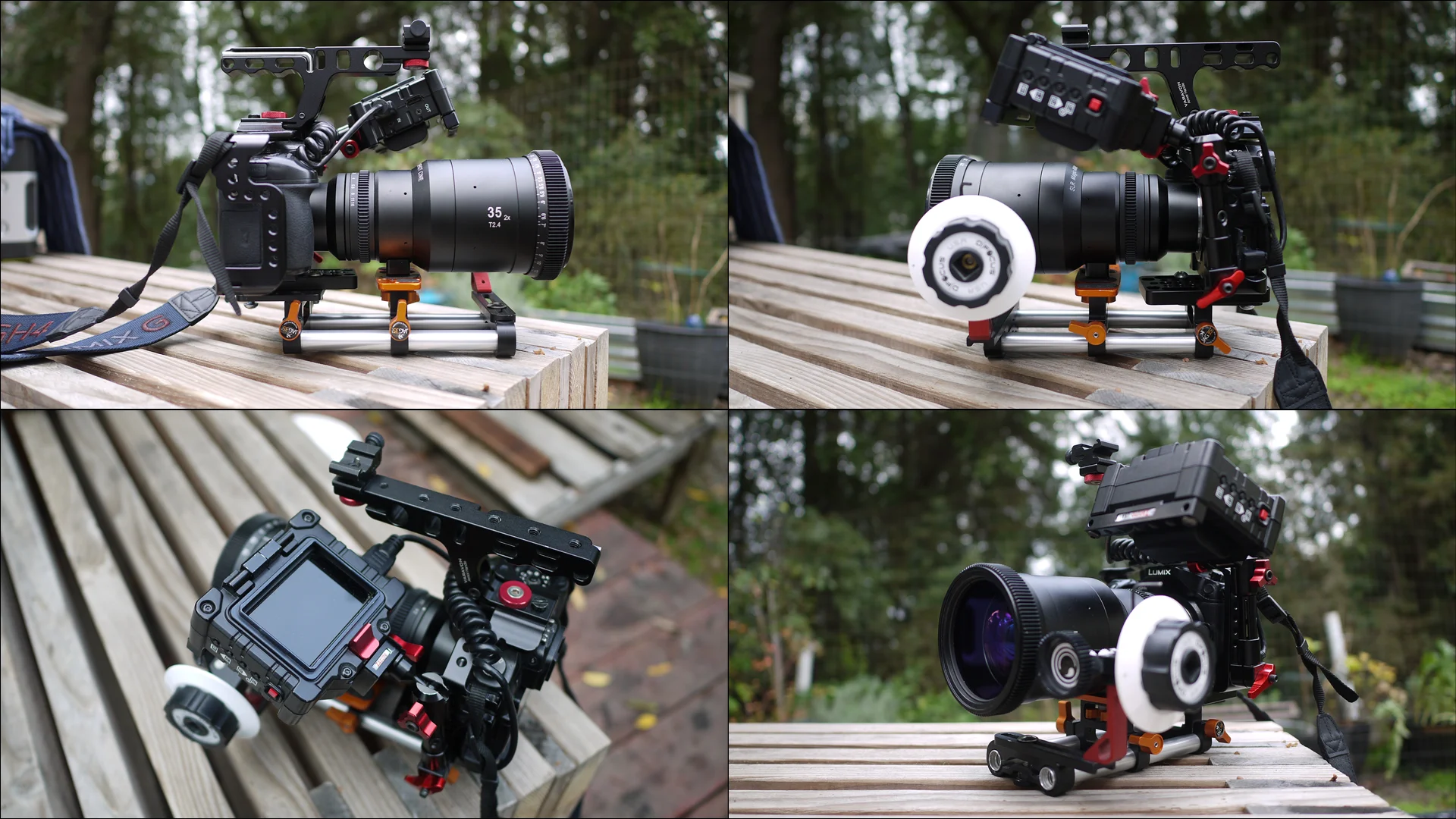
Recently acquired my first Anamorphic lens. I've always loved the iconic look that type of glass yields and have been playing around with a way to shoot anamorphic affordably with adapters and what not for the past couple years with limited success. However SLR Magic recently released three true anamorphic lenses which are actually some-what affordable. A 35mm, 50mm, and 75mm series that come in both PL and Micro Four Thirds mounts. Here's the 35mm T2.4 2x Anamorphot-CINE Lens in micro 4/3 mount version which I picked off eBay barely used for under $2000. Not bad for a technology that 10 years ago would have cost $200,000. 

Here it is on the Panasonic GH4:

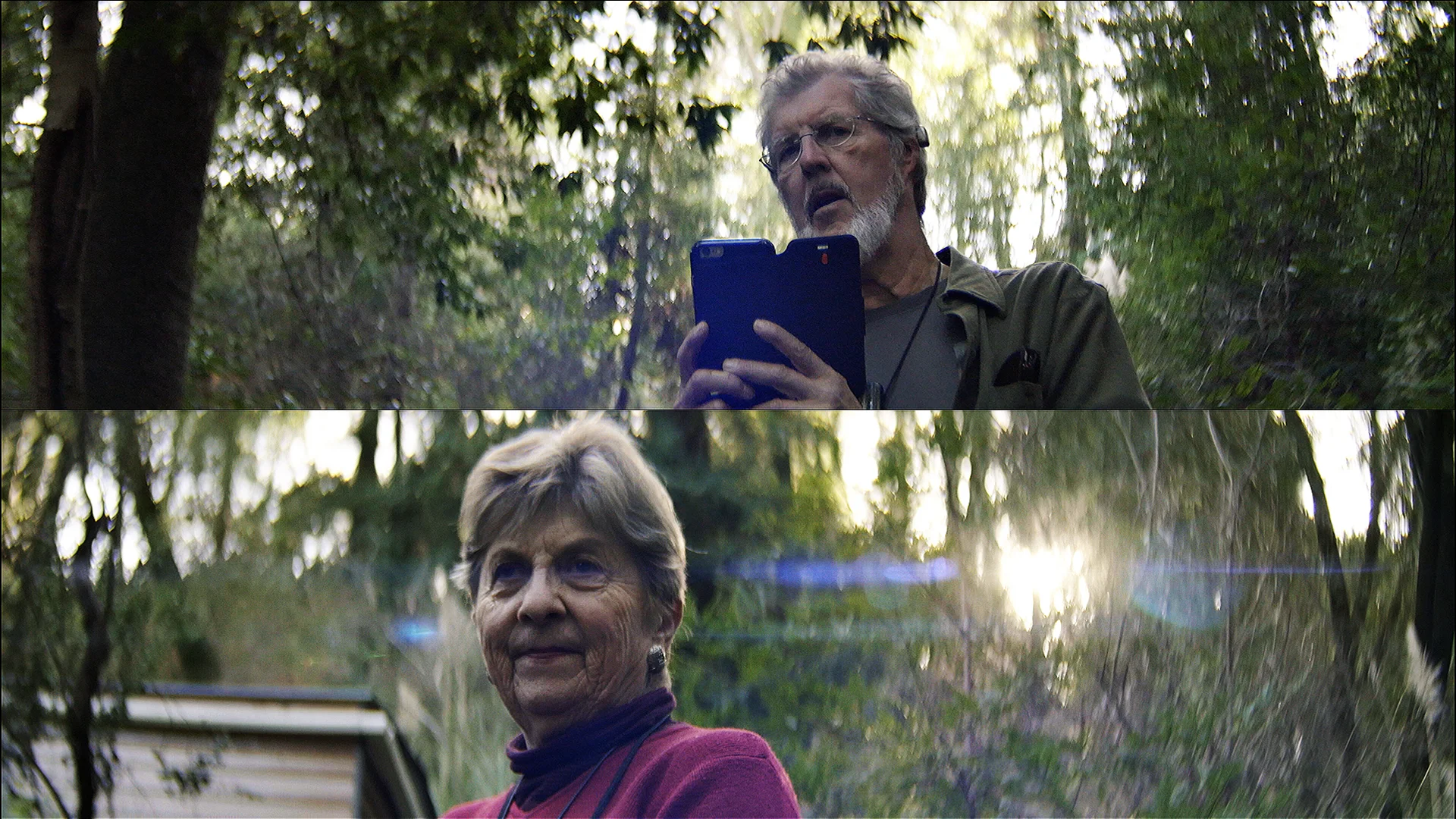
Here's the first two initial still images tests from the rig. The 2x yields an aspect ratio twice the width of the standard 16:9 sensor. Which is over 3.50 : 1.

My entire life I've never understood why the standard film back and now image sensor is 16:9, or about 1.77 : 1 aspect ratio. Not just for moving, but still images as well. Even worse are resources like Instagram which think it's acceptable to have the native aspect ratio of images be a square as some gross attempted throwback to the vintage 70's era. I'd nearly rather stab myself in the eyes than look at square images all day. Same thoughts with paintings in galleries that were painted on square or narrow width frames. For portraits sure, but landscapes and vistas to not be in very wide aspect ratio canvases has just never computed with me. Now that I've shot these tests, I already predict this will be a life-changing workflow for what I shoot and going back to flat glass will be tough. Even the 2.40 : 1 aspect ratio I usually work in now seems like it could be wider. I'm ultimately thinking the perfect sweet spot is 2.76 : 1 which the old Ultra Panavision 70 anamorphic formats from the 50's and 60's resulted in.

I've also long since been searching for a way to shoot street photography in a native, much wider aspect ratio. My street photography always tries to be as cinematic as possible and it seems like most street photographers are perfectly fine with not only ugly stark black and white but hardly anyone else seems to be shooting street on wider native formats. Since the lens ultimately requires it's own custom camera body and rig build, the next rig built using this lens will aim to accommodate both video and stills in the smallest and most discreet way possible. Stay tuned...